


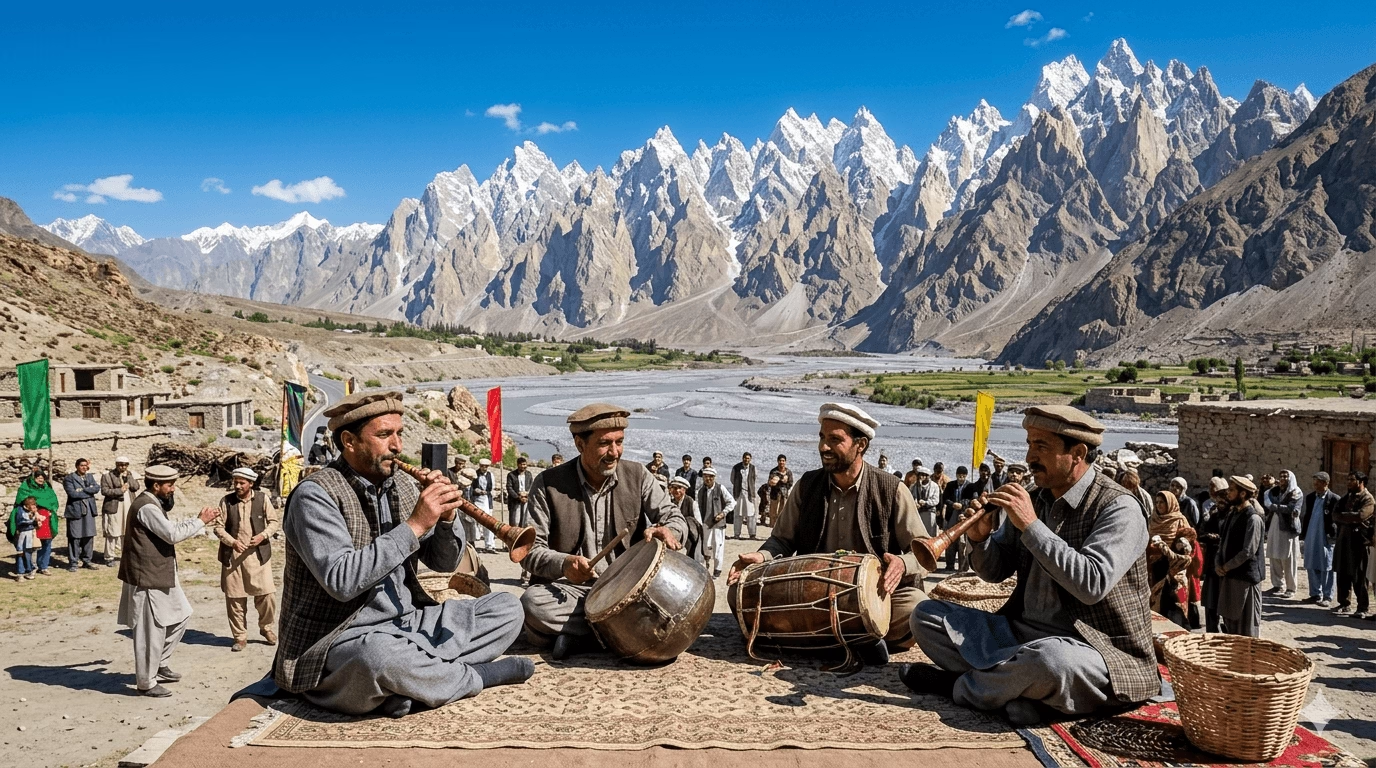
Festivals in Pakistan’s Northern Areas: Complete Travel Guide (Dates, Costs & Routes)
Planning a trip around the iconic festivals in Pakistan is the ultimate way to experience the country’s raw cultural magic. The majestic valleys across Pakistan’s Northern Areas are famous for more than just towering peaks and turquoise lakes. They are home to centuries-old indigenous cultures, vibrant musical traditions and high-altitude sporting spectacles that you cannot experience anywhere else on Earth.
If you are structuring your travel calendar, matching your journey with local celebrations transforms an ordinary sightseeing trip into an immersive cultural experience. This comprehensive guide covers every major cultural, harvest and sports festival stretching from Islamabad up through Murree, Azad Jammu & Kashmir (AJK), Gilgit-Baltistan (GB) and Khyber Pakhtunkhwa (KP)—organized clearly by season and location.
Festivals of GB: This category covers the unique seasonal, sports and agricultural celebrations native to the Gilgit-Baltistan region of Pakistan. These events—ranging from ancient seed-sowing rituals like Tagham and Bofao to high-altitude winter ice sports—reflect the deep-rooted Wakhi, Balti and Shina cultural heritage across the Karakoram and Himalayan valleys.
KPK Festivals: This group highlights the distinct cultural milestones and legendary sporting events found within the Khyber Pakhtunkhwa province. It includes world-famous gatherings like the indigenous Kalash Valley spring celebrations (Chilam Joshi / Chilimjusht), the historic freestyle Shandur Polo Tournament on the Chitral border and traditional seasonal galas hosted across the scenic Hindu Kush and Swat regions.
Explore Northern Pakistan’s Festival Calendar
From the explosion of spring blossoms to historic polo matches on the world’s highest plateaus, Pakistan’s northern festivals are defined by the seasons. To help you match your travel itinerary with these once-in-a-lifetime cultural experiences, we have categorized every major event. Click on a season below to immediately view the complete schedule, dates and logistics for that specific time of year:
Visual Guide: Peak Festival Seasons in Northern Pakistan
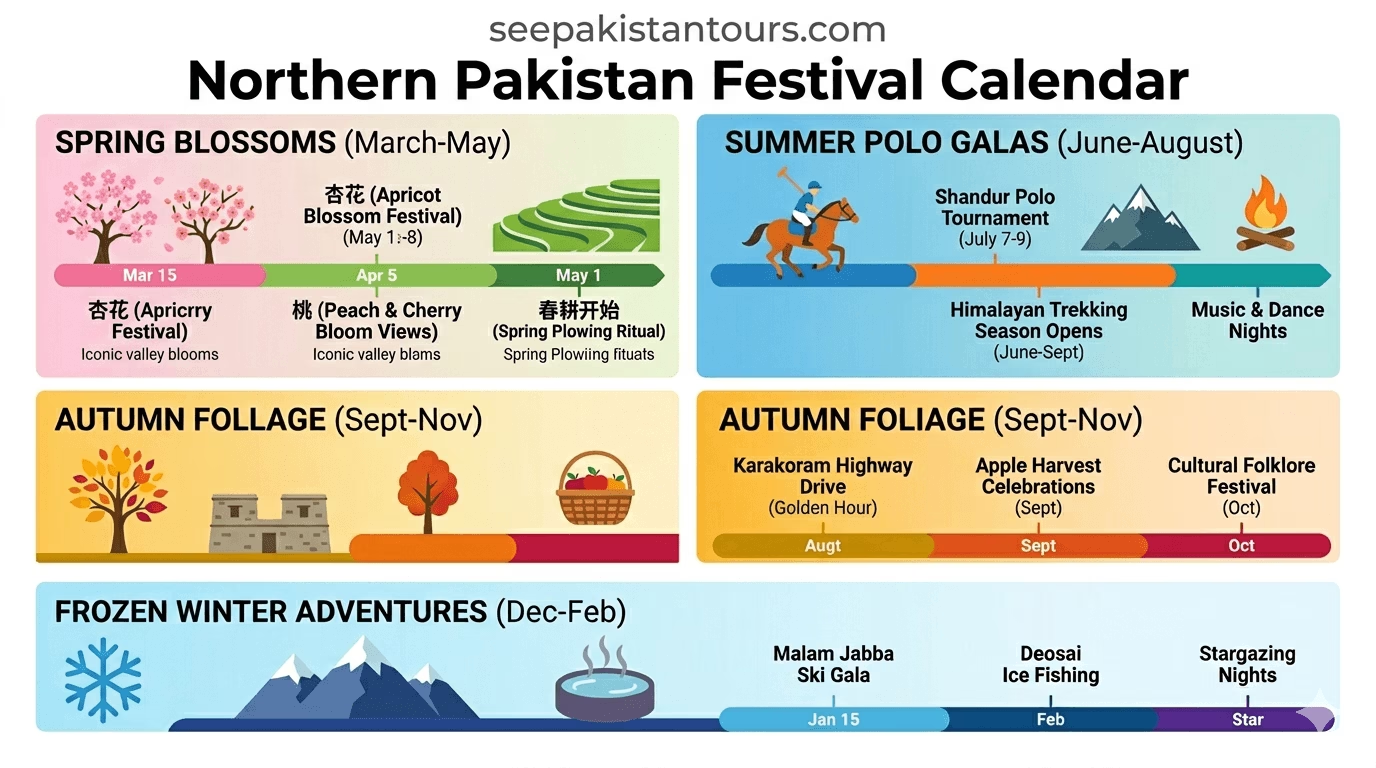
Infographic: A quick-reference calendar guide tracking cultural milestones across GB and KP. Use this visual timeline to align your road trip routes with active local events throughout the year.
List of Spring Festivals in Pakistan’s Northern Areas
Spring marks the awakening of tourism in the mountains as winter ice melts to reveal a dramatic landscape shift. Check out the complete calendar of traditional spring festivals across Gilgit-Baltistan and surrounding valleys:
| Festival Name | Season / Timing | Region & City / Valley |
|---|---|---|
| Jashn-e-Nowruz | Spring (March 21 – 23) | Gilgit-Baltistan (Skardu, Hunza, Ghizer) |
| Spring Blossom Festival | Spring (March 21 – April 21) | Across ALL GB (Hunza, Nagar, Skardu, Shigar) |
| Tagham Festival | Spring (Late March / April 1) | Upper Hunza / Gojal (Shimshal Valley, Gulmit) |
| Islamabad Spring Festival / Lok Mela | Spring (Dates Vary – Usually April) | Islamabad (Lok Virsa Complex) |
| Murree Spring Gala | Spring (Late April – Early May) | Murree & Galiyat |
| Bofao Festival | Spring (Late February / Early March) | Central Hunza (Altit Village / Altit Fort) |
| Chilam Joshi Festival | Spring (May 13 – 16) | Chitral / Kalash Valleys |
| Takhum Rezi Festival | Spring (March) | Ghizer District (Phander / Punial Valleys) |
Jashn-e-Nowruz (March 21 – 23) | Spring Festival in Skardu, Hunza & Ghizer
- What it is: This beautiful event celebrates the Persian New Year and Spring Equinox across Gilgit-Baltistan. It features raw, free-style polo matches, traditional folk music, colorful egg-painting competitions and communal feasts serving authentic local dishes like Mamtoo (dumplings) and Harissa. It marks a transition from harsh mountain winters into a season of growth.
- How to Reach & Logistics: You can fly into Gilgit easily or review our detailed guide on how to reach Skardu. Because March can experience unpredictable spring rains, road travelers should verify that the Karakoram Highway (KKH) is clear before setting off. Expect high demand for local rent-a-car options and standard hotel bookings.
Spring Blossom Festival (March 21 – April 21) | Pakistan Festivals Highlight
- What it is: This is a massive visual draw for domestic and international tourists alike. Visitors travel here to witness the stunning apricot, cherry and apple blossoms that blanket the valleys of Hunza, Nagar, Khaplu and Skardu in shades of soft pink and white. Local musical evenings and organic food exhibitions are held alongside the blossom viewpoints to keep travelers fully immersed.
- How to Reach & Logistics: The entire journey is fully paved along the Karakoram Highway, making the drive incredibly smooth. Review our travel map on how to reach Hunza Valley to secure public transport, luxury liners or private driving directions directly to Aliabad and Karimabad. Hotels sell out fast, so early reservations are mandatory.
Tagham Festival (Late March – April 1) | Traditional Wakhi Agricultural Festival in Gojal
- What it is: An ancient, authentic spring festival celebrated exclusively by the indigenous Wakhi mountaineer community of Upper Hunza (Gojal), most notably in the isolated, remote Shimshal Valley and Gulmit village. Derived from the Persian word Tukhum (meaning seed), Tagham officially marks the arrival of the crop irrigation and land-ploughing season. Highlights include the preparation of Semn (a traditional sweet wheat pudding brewed for weeks), ritualistic bread throwing, the playful “bull game” performance and community elders guiding the symbolic first bull-ploughing of the fields to bring blessings to the land.
- How to Reach & Logistics: Travel along the Karakoram Highway past Attabad Lake and Passu Cones up to Upper Hunza. To reach the epicenter in Shimshal Valley, you must switch to a rugged 4×4 soft-top jeep for an adventurous 4-to-5-hour drive through a sheer mountain gorge. There are no entry fees, but homestays or standard local guest rooms in Shimshal must be coordinated in advance due to limited seasonal availability.
Islamabad Spring Festival / Lok Mela (Dates Vary – Usually April) | Capital Cultural Gala
- What it is: The federal capital hosts artisans, folk dancers and food stalls from Gilgit-Baltistan, Azad Kashmir and all provinces. This cultural gala serves as the central launchpad for the country’s spring tourism push, featuring heavily decorated cultural pavilions where master artisans demonstrate live crafting skills, musical performances and pottery making.
- How to Reach & Logistics: Located centrally at the Lok Virsa Complex, Shakarparian, Islamabad. It is easily accessible by local ride-hailing services or private cars. Entry tickets are highly affordable, typically ranging from 100 to 200 PKR, making it a great destination for families and corporate tourists alike.
Murree Spring Gala (Late April – Early May) | Hill Station Spring Celebrations
- What it is: Organized by local tourism authorities to welcome the first wave of warm-weather travelers, this gala includes beautiful flower shows, lively cultural performances right on Mall Road and fun family activities. It aims to showcase the regional hospitality of the Galiyat hills before the massive summer rush takes over.
- How to Reach & Logistics: A 1.5-hour drive from Islamabad via the Murree Expressway (N-75) gets you there. Be sure to review our advice and itineraries on Murree Tours to avoid peak weekend traffic bottlenecks and locate secure public parking near the main city center.
Bofao Festival (Late February – Early March) | Ancient Seed-Sowing Festival in Central Hunza
- What it is: Bofao is a fascinating, deeply historical spring welcoming festival celebrated by the Burusho people of Central Hunza, primarily centered around the 1,100-year-old Altit Fort and Altit Polo Ground. In the Burushaski language, ‘Bo’ translates to seed and ‘Fao’ means to scatter, marking the literal symbolic throwing of the first wheat seeds. Steeped in royal legacy, the festival revives ancient traditions where a figure representing the Mir (historical ruler) of Hunza rides a white horse from the fort to the polo grounds, dressed in royal regalia, to guide the symbolic first ox-plowing of the season. The event features intense traditional music, sword dancing by community elders, the appearance of uniquely masked folk characters and communal distribution of local festival dishes.
- How to Reach & Logistics: This festival takes place exceptionally early in the spring calendar, right when the winter chill breaks on the valley floor of Central Hunza. Drive smoothly along the fully paved Karakoram Highway up to Karimabad, then take the short 5-minute link road down to Altit Village. Because it occurs during the low tourist shoulder season, premium hotels in Hunza offer highly affordable rates and roads are entirely free from domestic traffic blockages. No special entrance permits are required for the public polo ground festivities.
Chilam Joshi Festival (Chilimjusht / Zhoshi) (May 13 – 16) | Iconic Festivals in Pakistan Region
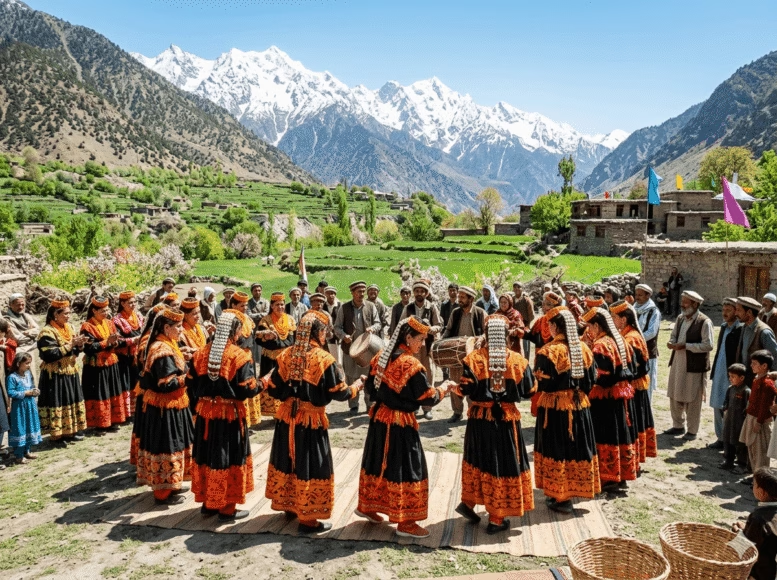
- What it is: While technically in KP, this is a premier spring highlight for anyone exploring festivals in northern Pakistan’s adjacent valleys. It is famous for the vibrant cultural attire, unique dances and spring welcoming rituals of the indigenous Kalash people. Women wear their iconic heavy cowrie-shell head dresses (Kupas) and black embroidered gowns (Piran) while gathering to pray for the safety of their fields and herds.
- How to Reach & Logistics: Follow our comprehensive guide on how to reach Chitral Valley from Islamabad via the scenic Lowari Tunnel. From Chitral City, you must hire a local 4×4 jeep to navigate the rugged roads leading into the Kalash valleys (roughly a 2.5-hour bumpy ride). Foreign tourists must register with local security frameworks and pay a regional valley access tax of approximately 600 PKR.
Takhum Rezi Festival (March) | The Sowing Ceremony of Ghizer
- What it is: Locally known in Shina as Bee Ganik, Takhum Rezi is the early spring agricultural welcoming festival celebrated across Ghizer District. The most captivating feature of this festival is the traditional nighttime torch-bearing ritual, where villagers light massive wooden torches, marching through the valleys and chanting ancestral chants to ward off winter spirits. The following morning features the symbolic plowing of fields, traditional music (Hareeps) and distribution of local dairy-rich delicacies.
- Logistics: Highly accessible by road from Gilgit town heading towards Gupis-Yasin or Phander Valley. Travelers should prepare for crisp, cold spring nights and pack thermal wear.
List of Summer Festivals in Pakistan Northern Areas & High-Altitude Events
Summer is the absolute peak window for adventure sports, high-altitude polo matches and alpine mountain camping across the region. Here are the top summer tourist celebrations:
| Festival Name | Season / Timing | Region & City / Valley |
|---|---|---|
| Ginani Festival | Summer (June 21) | Hunza & Nagar Valleys |
| Shandur Polo Festival | Summer (June 11 – 13) | Shandur Pass (GB / Chitral Border) |
| Ganga Choti Summer Festival | Summer (July) | Bagh, Azad Kashmir (AJK) |
| Babusar Polo Cup & Alpine Festival | Summer (August) | Babusar Top (GB-Kaghan Border) |
| Neelum Valley Tourism Gala | Summer (August) | Keran / Sharda, Azad Kashmir (AJK) |
| Independence Day Celebrations | Summer (August 14) | Murree Mall Road & Capital Territory |
| Kalash Uchal Festival | Summer (August 20 – 22) | Chitral / Kalash Valleys |
Ginani Festival (June 21) | Historical Harvest Festival in Hunza Valley
- What it is: An authentic harvest celebration that ranks among the most historical cultural events in the region, honoring the ripening of the first wheat crops. It begins 10 days prior with traditional musicians playing historical melodies (Hareeps) from the ancient Altit and Baltit Forts, culminating in a community feast serving Dirum Pitti (a delicious dish made from whole wheat flour and pure, unrefined apricot kernel oil) followed by joyful traditional sword dancing.
- How to Reach & Logistics: Easily accessible along the main Karakoram Highway. Check out our dedicated portal on Hunza Valley Tours to book hotels early, since June marks the official start of the summer domestic tourist rush.
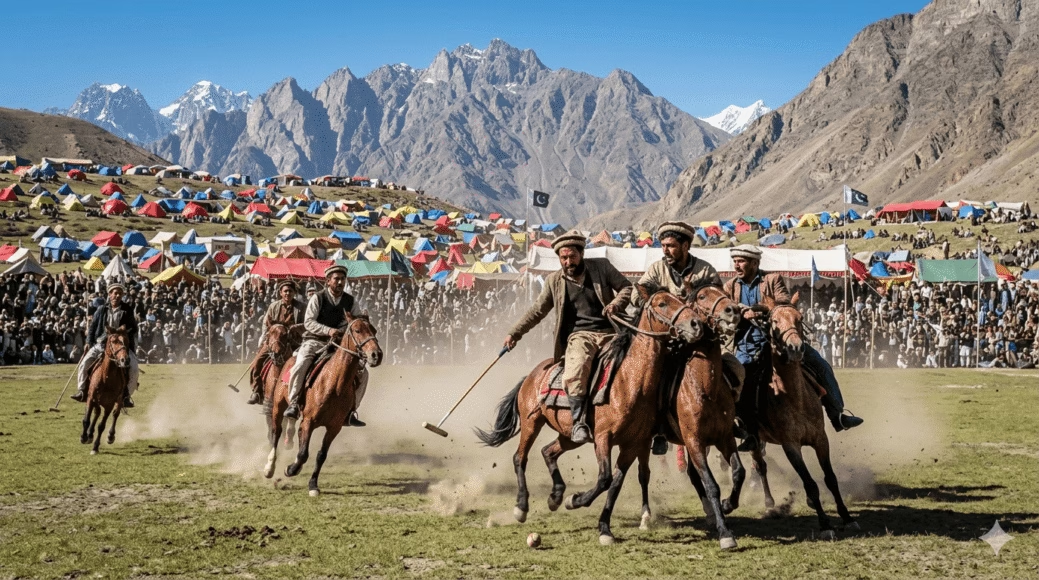
Shandur Polo Festival (June 11 – 13) | World-Famous Festival in Skardu & Chitral Borders
- What it is: The undisputed "King of Festivals" and a cornerstone of Pakistan festivals. Played on the highest polo ground in the world at 12,500 feet (3,734 meters), it features raw, free-style polo with no rules between fierce rival teams from Gilgit and Chitral. The event is accompanied by a massive alpine camping village, folk dances, paragliding exhibitions and vibrant evening bonfires.
- How to Reach & Logistics: The Shandur Pass is accessible via Chitral through a 5 to 6-hour jeep track or from Gilgit through the scenic Phander Valley. Because of the tough terrain, see our tips on whether you can take a car to Northern Areas to understand why a 4×4 vehicle is required. No entry fees apply, but temporary luxury tent setups and local transport must be booked well in advance.
Ganga Choti Summer Festival (July) | Azad Kashmir Tourism Galas
- What it is: A prominent cultural event featuring thrilling horse riding, traditional tent pegging, local sports and vibrant craft stalls set against the lush alpine meadows of Ganga Choti. It brings forward traditional Kashmiri music and acts as a cooling sanctuary for tourists fleeing the low-altitude summer heat waves.
- How to Reach & Logistics: Navigate easily via Kohala into Bagh District by heading to our dedicated guide on Azad Kashmir Tours. Hotel bases near Bagh or Sudhan Gali must be locked in early, as domestic road-trippers flood this route throughout July.
Babusar Polo Cup & Alpine Festival (August) | High Mountain Pass Tourism Galas
- What it is: Held at the world’s second-highest polo ground, this cup serves as a major attraction for tourists crossing over from Naran to Gilgit-Baltistan. It features paragliding, gemstone exhibitions, local mountain handicrafts and incredible stargazing bonfire nights at the gateway of the high Karakoram range.
- How to Reach & Logistics: Fully accessible by following the paved paths through Naran Valley up to the pass. Check out our travel configurations and road updates on Naran Kaghan Tours. Ensure your car brakes and engine health are verified before driving the steep pass declines.
Neelum Valley Tourism Gala (August) | Azad Kashmir Summer Festivals
- What it is: AJK Tourism hosts this summer festival to promote thrilling water sports. It features white-water rafting on the rushing Neelum River, trout fishing competitions in high-altitude streams and beautiful Kashmiri cultural music nights around open-air campfires in Sharda and Keran.
- How to Reach & Logistics: Follow the primary Muzaffarabad route outlined in our customized Neelum Valley Tours resource maps. Roads can face occasional monsoonal mudslides, so cross-referencing daily transport logs is advised.
Independence Day Celebrations (August 14) | Summer Tourism Peak
- What it is: The entire travel stretch from Islamabad up to Murree turns into a brilliant sea of green and white. It features grand fireworks, patriotic rallies, national flag-hoisting ceremonies and live musical concerts along Mall Road and Monal/Pir Sohawa.
- How to Reach & Logistics: This is an incredibly congested travel corridor. Travelers are strongly advised to arrive in Murree a day early or use local public transport vans to avoid massive traffic gridlocks on the Expressway (N-75).
Kalash Uchal Festival (August 20 – 22) | Chitral Summer Harvest Culture
- What it is: The traditional summer harvest festival thanking nature for the barley and wheat crops, alongside the production of fresh mountain cheese. It is beautifully marked by cheese-making rituals, soulful singing and synchronized community dancing in the valleys of Bumburet, Rumbur and Birir.
- How to Reach & Logistics: Requires a sturdy 4×4 jeep from Chitral City. Ensure you pack according to our comprehensive packing checklist for visiting northern Pakistan because late August mountain nights start turning crisp and cool.
List of Autumn Festivals & Foliage Events in the Northern Areas
Incredibly popular among international photographers, hikers and travel enthusiasts, the autumn harvest events are truly spectacular, set against a backdrop of brilliant changing tree colors:
| Festival Name | Season / Timing | Region & City / Valley |
|---|---|---|
| Autumn Color Palette Festival | Autumn (October – November) | Hunza, Nagar, Ghizer, Skardu |
| Phool Festival | Autumn (Mid-October) | Birir Valley (Kalash) |
| Silk Route Cultural Festival | Autumn (October / November) | Gilgit & Hunza |
| Nasalo Festival | Autumn (Mid-November) | Gilgit, Nagar and Ghizer Valleys |
Autumn Color Palette Festival (October – November) | Autumn Festival in Hunza & Skardu
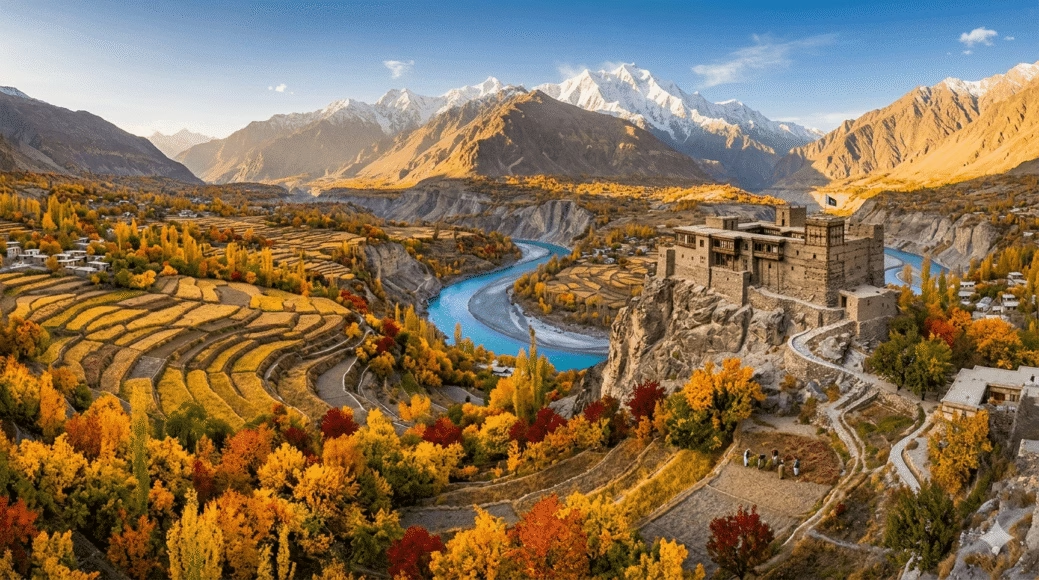
- What it is: A true paradise for photographers as the valleys turn brilliant shades of gold orange and fiery red. Regional tourism boards set up dedicated photography tours, musical evenings and traditional food galas to celebrate the foliage season. It showcases the harvest of walnuts, apples and dried apricots.
- How to Reach & Logistics: Check out the scenic layouts and drive times detailed in our guide on places in northern areas Pakistan to plan your route through the best foliage viewpoints across Hunza and Skardu. Public flights into Gilgit and Skardu run daily but depend heavily on clear autumn weather.
Phool Festival (Mid-October) | Chitral Autumn Harvest Celebrations
- What it is: A deeply traditional autumn harvest festival celebrating the grape and walnut picking season among the Kalash. It features unique grape-crushing rituals to make local wines, traditional singing and synchronized community dancing celebrating the abundance of the year before winter sets in.
- How to Reach & Logistics: Takes place strictly inside the Birir Valley of Chitral. Road access requires rugged 4×4 setups and experienced mountain drivers. Since it is highly localized, ensure you travel with an ethical, local tour guide out of Chitral City.
Silk Route Cultural Festival (October / November) | Ancient Trade Route Gala
- What it is: A major celebration honoring Gilgit-Baltistan’s historical connection to the ancient Silk Road. It brings together master craft exhibitions, traditional sports and performing folk artists from China, Central Asia and all across Pakistan, reviving historical cultural bonds through poetry, food stalls and music.
- How to Reach & Logistics: Venues alternate between Gilgit town and Karimabad, Hunza. It is fully accessible via the main Karakoram Highway. Car rentals and hotel accommodations are easily arranged online, as the heavy summer crowd diminishes by this season.
Nasalo Festival (November) | Ancient Winter Preservation Ritual
- What it is: Nasalo is an ancient cultural heritage festival celebrating preparation and resilience before the harsh Himalayan winter locks down the valleys. Families gather to systematically slaughter livestock and utilize ancient spice-curing and air-drying techniques to preserve meat for the freezing months ahead. Marked by community gatherings, traditional music and shared historic stories around wood stoves, it showcases the beautiful communal spirit and survival ingenuity of the Gilgit-Baltistan people.
- Logistics: Takes place directly within local homes and village squares across Gilgit and Nagar. For travelers, it offers an incomparable off-season glimpse into raw, authentic mountain family life away from commercialized tourism.
List of Winter Festivals & Alpine Snow Sports
Winter tourism across the Northern Areas of Pakistan has grown rapidly over the years, shifting toward frozen alpine lakes and competitive winter sports. Explore the winter solstice activities here:
| Festival Name | Season / Timing | Region & City / Valley |
|---|---|---|
| Choimus Winter Festival | Winter (December 15 – 22) | Chitral / Kalash Valleys |
| Murree Snow Festival | Winter (January – February) | Murree & Galiyat |
| Malam Jabba / Naltar Winter Gala | Winter (January – February) | Swat Valley & Naltar Valley (GB) |
| Khalti Lake Ice Hockey Festival | Winter (January) | Ghizer Valley, Gilgit-Baltistan |
| May Fung Festival | Winter (December 21) | Baltistan Region (Skardu, Shigar, Khaplu) |
| Winter & Frozen Fairy Tale Festivals | Winter (Throughout January) | Gojal (Hunza), Ghizer and Skardu Districts |
Choimus Winter Festival (December 15 – 22) | Winter Solstice Festivals in Pakistan
- What it is: This is the most significant and sacred event of the winter season. The Kalash people celebrate the winter solstice here with striking torchlit processions, colorful purification rituals and lively indoor community dances. It includes tribal gatherings to welcome the new year and pray for prosperity.
- How to Reach & Logistics: Expect extreme winter conditions. While the Lowari Tunnel remains open, the dirt tracks into Kalash require heavy-duty winterized 4×4 jeeps equipped with snow chains. Accommodations with active heating and insulation must be booked months in advance.
Murree Snow Festival (January – February) | Galiyat Winter Galas
- What it is: Triggered by the season’s first heavy snowfall, this event draws massive weekend crowds from Islamabad and Rawalpindi for snow sculpting, hot local street food galas (like Kashmiri Chai and roasted nuts) and beautiful winter illuminations along the Galiyat ridges.
- How to Reach & Logistics: Check our live weather advisories on Murree Tours before leaving Islamabad. Snow chains, winterized lubricants and anti-freeze are highly recommended for personal vehicles attempting the steep climbs.
Malam Jabba / Naltar Winter Sports Gala (January – February) | Premier Alpine Events
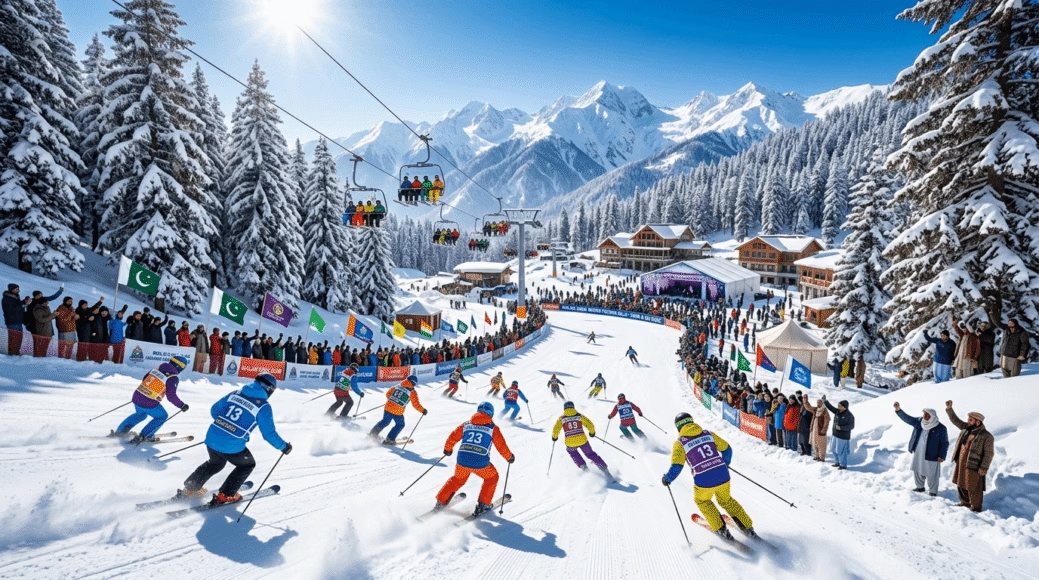
- What it is: The premier winter sports event in the country. Naltar Valley (GB) and Malam Jabba (Swat) host national ski championships, thrilling snowboarding events and ice hockey tournaments, drawing competitive international and national athletes alongside snow-loving spectators.
- How to Reach & Logistics: Malam Jabba is easily reached via the paved Swat Motorway (M-16). Full details are available on Swat Valley Tours. Naltar Ski Resort requires traveling to Gilgit first, followed by specialized 4×4 transport up the valley floor. General resort entry is roughly 300 to 500 PKR.
Khalti Lake Ice Hockey Festival (January) | Frozen Lakes Festival in Ghizer
- What it is: When the high-altitude Khalti Lake completely freezes over, locals and tourism boards organize a highly unique event. They host an ice hockey and ice skating festival directly on the natural frozen lake bed, accompanied by bonfires and local acoustic folk music.
- How to Reach & Logistics: Located in Ghizer District, GB, this requires a multi-day winter travel plan from Gilgit. Heavy, specialized warm alpine clothing is absolutely mandatory to survive the sub-zero temperatures on the valley floors. Ensure your transport vehicle has a reliable battery for freezing morning starts.
May Fung Festival (December 21) | The Winter Solstice Fire Festival
- What it is: Celebrated on the shortest day of the year (Winter Solstice), May Fung is an ancient Balti festival symbolizing light overcoming darkness. Local youth and elders create massive wooden torches, lighting up the cold dark valley night floors, swinging them in rhythmic patterns and chanting historic slogans. The fire celebration is followed by traditional night music, step dancing and eating rich local winter foods like *Prapa* and *Marzan*.
- Logistics: Centered primarily around historic forts like Shigar Fort and Khaplu Palace. Travelers can fly into Skardu Airport (subject to winter weather clearances) or drive up the Karakoram Highway. Extremely cold sub-zero clothing gear is mandatory.
Winter & Frozen Fairy Tale Festivals (January) | Ice Sports & High-Altitude Winter Galas
- What it is: Marketed under the “Frozen Fairy Tale” theme, various districts across Gilgit-Baltistan come alive during the deepest stretch of January to celebrate winter tourism. These week-long festivals turn frozen high-altitude lakes and snow-covered valleys into vibrant arenas. The main highlights include fast-paced Ice Hockey tournaments played on natural ice sheets (like Ghulkin in Gojal or Khalti Lake in Ghizer), competitive snowboarding and the highly historic Tiaku Polo—a traditional version of polo played directly on rugged, snow-packed fields using horses adapted to sub-zero temperatures. The festive grounds are lined with colorful local stalls serving steaming bowls of winter comfort foods like Mamtu (dumplings), Chamus (apricot soup) and herbal mountain teas to keep spectators warm.
- How to Reach & Logistics: These festivals are held across multiple locations, with the most accessible events occurring on the frozen ponds of Gojal (Upper Hunza) right off the paved Karakoram Highway. If you plan to watch the events at Khalti Lake in Ghizer, expect a 3 to 4-hour drive from Gilgit town. Travelers must prepare for extreme sub-zero conditions where temperatures can plunge to -10°C (14°F) or lower. Heavy thermal layers, high-traction snow boots and booking hotels with active heating systems/generators well in advance are absolute necessities.
Must-Try Seasonal Experiences
Beyond the official festival calendar, Northern Pakistan offers unique activities that define the local mountain lifestyle. While these are not scheduled as annual festivals, they are unmissable highlights for any traveler:
Beyond the Festivals: Winter Experiences
- Ice Fishing: While not a festival, ice fishing for local trout on frozen lakes like Khalti Lake (Ghizer) and certain ponds in the Skardu district has become a popular off-the-beaten-path winter activity. Many local tour operators now arrange small, safe ice-fishing outings for travelers who want a quiet, authentic mountain experience away from the crowds of the major sports festivals.
Stargazing Nights
- The Northern Sky: Gilgit-Baltistan and the Hindu Kush valleys are home to some of the darkest, most light-pollution-free skies in Asia. Stargazing is a premier activity for astrophotography enthusiasts. While not a formal festival, staying in locations like Fairy Meadows or the remote glamping sites in Kumrat Valley offers a “celestial event” experience every clear night. For the best views, plan your trip during new moon phases when the Milky Way is most vibrant.
Pro-Tips for Designing the Perfect Festival Itinerary
If you want to experience multiple events in a single journey, plan your trip around the heavy cluster months of May, August or October. When building your holiday timeline around a festival, always allocate an extra 24 to 48 hours for unexpected mountain weather changes or road blockages. For actionable advice on mapping out drive times and routes across the Karakoram Highway or the Malakand division, take a look at our expert guide on how to create the perfect itinerary.
Official Resources & Planning Form
- For updated rules regarding foreigner security clearances, check the Khyber Pakhtunkhwa Culture & Tourism Authority official site.
- Read more about the historical preservation of the Kalash people on Wikipedia’s Kalash People Entry.
- Ready to design your tailored festival journey? Head over to our Get a Quote page to share your travel dates and requirements.
Frequently Asked Questions About Pakistan’s Northern Areas Festivals
Q1: Do foreign tourists need a special permit (NOC) to attend festivals in the Northern Areas?
Generally, foreign tourists do not need a No Objection Certificate (NOC) to visit main tourist hubs like Hunza, Skardu, Gilgit or Swat. However, specific festivals located near border regions or sensitive areas—such as certain valleys in Chitral or near the Line of Control (LOC) in Azad Kashmir—may require registration with local police or an active security clearance. Always carry multiple copies of your passport and visa.
Q2: How far in advance should I book transport and hotels for major events like the Shandur Polo Festival?
For premier high-demand events like the Shandur Polo Festival or Spring Blossom seasons, you should book accommodations and transport at least 2 to 3 months in advance. Because Shandur relies heavily on temporary campsite setups, tent rentals and local 4×4 drivers lock in their schedules early, causing prices to double if you attempt to book last-minute.
Q3: What are the clothing rules and cultural etiquettes for attending Kalash festivals?
While the Kalash people are incredibly welcoming and celebrate openly with music and dance, visitors must remain respectful. Dress conservatively (covering shoulders and knees), always ask for explicit permission before taking close-up photographs of local women or religious rituals and do not cross into sacred festival boundaries reserved strictly for community members.
Q4: Are winter festivals like the Malam Jabba Gala accessible by standard cars?
No, standard front-wheel-drive sedans should not attempt to drive all the way up to alpine venues like Naltar Valley or high-altitude frozen lakes in mid-winter. While highways up to Mingora (Swat) or Murree are plowed, the final steep valley ascents become packed with thick ice. You will need a winterized 4×4 vehicle equipped with snow chains to navigate safely.
Q5: Is it safe to travel to the Northern Areas during the monsoon festival months?
July and August host incredible summer galas, but they also coincide with the peak monsoon season. Heavy rains can trigger sudden flash floods or landslides along the Karakoram Highway (KKH) and Kaghan Valley routes. Check live weather advisories and road status reports daily and plan for an extra 24 to 48 hours of flexible travel time in case of temporary highway closures.